الرئيسية 2026 من المقرر أن تصبح كأس العالم لكرة القدم أكبر بطولة في التاريخ, مع 48 teams and millions of fans descending on Mexico’s host cities—Mexico City, Monterrey, and Guadalajara. While stadium LED screens grab headlines, the real goldmine lies outside the venues. Modern consumers no longer separate shopping, dining, and entertainment; they seek integrated experiences. For Mexican businesses, LED screens are the ultimate tool to capture this mixed-use demand and convert massive foot traffic into tangible revenue.
1. Beyond Stadium Walls: The Untapped Potential of Fan Zones
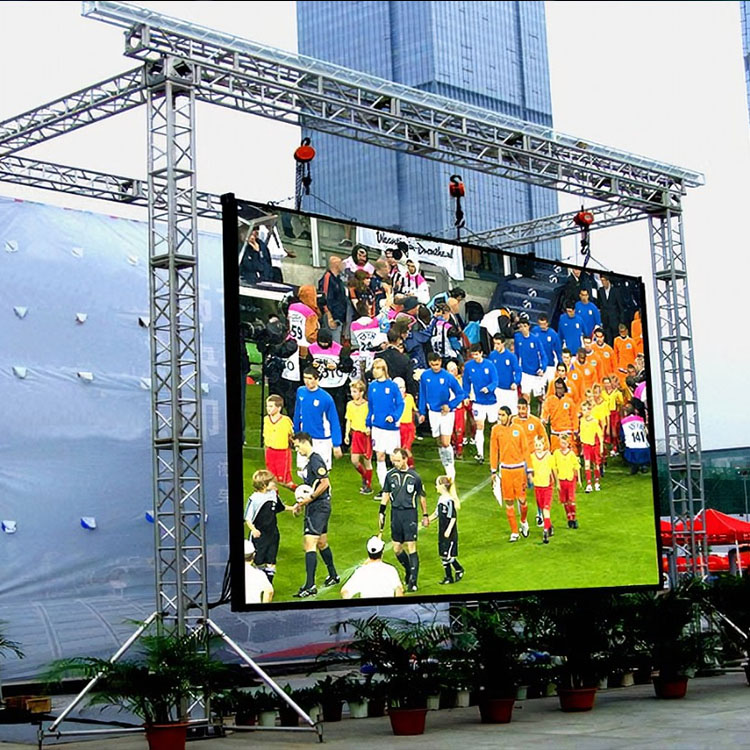
Stadiums only hold a fraction of World Cup crowds. Most fans gather in fan zones, urban plazas, and entertainment districts to celebrate matches together. These high-foot-traffic areas are where LED screens shine brightest. Mexican companies are installing large, high-brightness LED displays in these zones to broadcast live games, replays, and highlights. This transforms ordinary public spaces into vibrant, must-visit hubs. Local bars, restaurants, and retailers nearby benefit from extended customer stays and increased spending—turning fan excitement into immediate sales.
2. The Blurred Line: Shopping, Dining, and Entertainment Merge
Today’s World Cup fans don’t just watch football—they shop, eat, and socialize simultaneously. They stroll through malls, grab street food, and explore city attractions before and after matches. Mexican businesses are leveraging LED screens to create seamless, mixed-use experiences. Shopping malls install LED video walls to display match updates alongside retail promotions. Restaurants mount outdoor LED totems to advertise game-day specials and live viewing parties. By blending sports content with commercial offers, these venues become one-stop destinations, capturing spending at every touchpoint.
3. Strategic Placement: LED Screens as Foot Traffic Magnets
Location is everything—and Mexican businesses are placing LED screens where fans naturally converge. High-impact spots include airport corridors, major transit lines, stadium access roads, and iconic urban avenues like Reforma in Mexico City. These screens deliver dynamic, real-time content: match schedules, team highlights, and localized ads for nearby shops, المقاهي, and hotels. Bright, eye-catching displays stop passersby in their tracks, driving foot traffic directly to partnering businesses. Every view becomes a potential customer walking through the door.
4. Monetization Models: Turning Screens into Revenue Streams
Mexican entrepreneurs are turning LED screens into profitable assets with diverse monetization strategies.
Advertising Partnerships: Brands sponsor screen time to reach captive fan audiences.
Venue Rentals: Businesses rent screen space to host private viewing parties or corporate events.
Promotional Integrations: Local shops and restaurants run targeted ads with QR codes for instant discounts or loyalty sign-ups.
Experience Packages: Bundling LED screen access with food, drinks, and merchandise for premium fan experiences.
These models ensure screens pay for themselves quickly while driving consistent revenue long after the World Cup ends.
5. Future-Proofing: Building Long-Term Value Beyond 2026
الرئيسية 2026 World Cup is just the beginning. Mexican businesses are investing in versatile, weather-resistant LED screens that adapt to any event—sports, concerts, festivals, or community gatherings. These screens support multiple languages, remote content management, and interactive features like AR filters or social media walls. By aligning with consumer demand for mixed-use entertainment, businesses are not just capitalizing on the World Cup—they’re building enduring revenue engines that thrive in the new era of integrated retail, dining, and entertainment.
في 2026, the real World Cup winners won’t just be the teams on the pitch—they’ll be the Mexican businesses using LED screens to turn crowds into customers, and moments into money.