In the era of digital display, LED screens are indispensable for businesses and event organizers. However, many face the dilemma of renting vs. buying. As an LED expert, this blog breaks down 6 core factors to help you decide wisely.
1. Evaluate Your Usage Frequency: The Fundamental Criterion for Decision-Making
Clarifying usage frequency is key to cost-effectiveness.
Rent if you use it occasionally (less than 30 days a year): annual conferences, one-time exhibitions, or short-term events. This avoids long-term idle equipment costs.
Buy if you use it regularly (more than 6 months a year): shopping mall billboards, hotel lobbies, or stadium scoreboards. Long-term users will find buying cheaper than renting after 1-2 years.
2. Calculate Total Cost of Ownership: Don’t Be Misled by Initial Investment
Focus on total cost of ownership (TCO), not just initial costs.
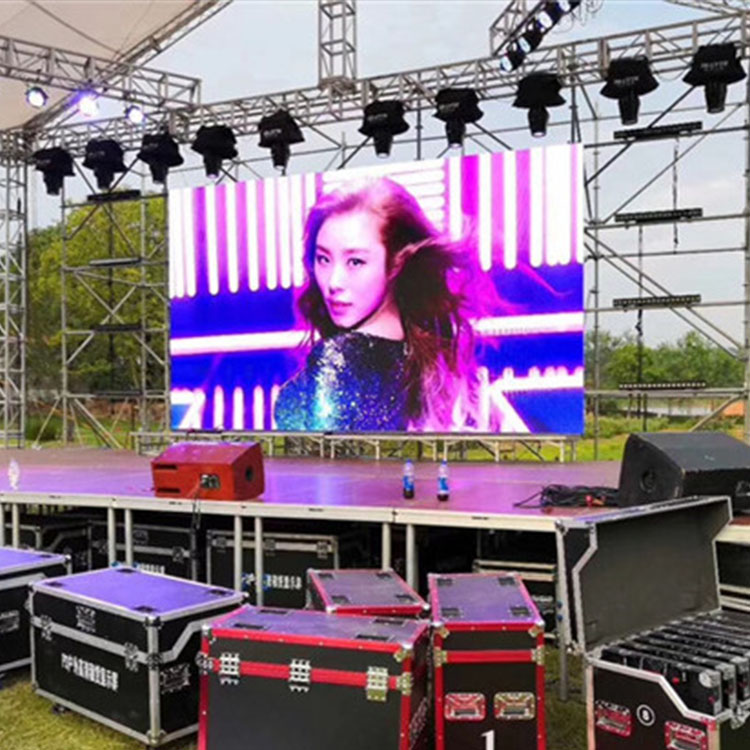
Renting has low initial investment: only pay per-use fees, including transport, installation, and maintenance (usually $4.5-$12 per sqm per day).
Buying requires large one-time investment: screen, installation, control systems, plus annual maintenance (5%-10% of equipment price). LED screens depreciate 65% in 3 years due to tech upgrades.
3. Consider Technical Upgrades: Avoid the Risk of Obsolescence
LED tech evolves rapidly (COB, Micro LED, flexible screens), bringing obsolescence risks.
Buying traps you in fixed specs for 5-8 years; upgrading needs another large investment.
Renting lets you choose the latest equipment for each use, accessing cutting-edge tech without iteration costs—ideal for event planning and live broadcasting.
4. Assess Storage and Maintenance Capabilities: Reduce Operational Burden
LED screens need proper storage and regular maintenance to last.
Buying requires a dry, temperature-controlled storage space and professional maintenance (cleaning, repairing lamp beads).
Renting shifts all storage, maintenance, and repair to the rental company—saving time, labor, and space, perfect for SMEs or individuals.
5. Analyze Flexibility Requirements: Adapt to Diverse Scenarios
Flexibility matters for varying screen needs (size, shape, specs).
Renting offers high flexibility: choose size, resolution, and installation method per event, adjusting in real time with event scale.
Buying is rigid: once installed, size/shape is hard to adjust, making it unsuitable for changing scenarios (e.g., event planning companies).
6. Evaluate Long-Term Strategic Value: Beyond Basic Usage Needs
LED screens can support long-term brand building and strategy.
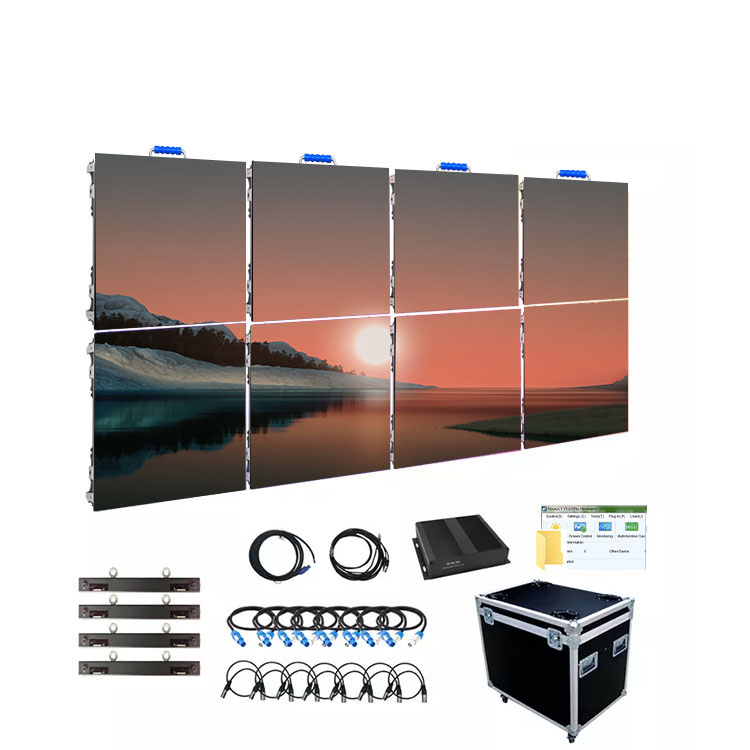
Buy if you need long-term brand display (malls, hotels, corporate HQs)—it builds stable brand image and allows customizations for unique effects.
Rent if usage is temporary and unrelated to long-term brand building—it aligns better with short-term strategic needs.
Final Verdict: Choose Based on Your Actual Needs
There’s no “better” option, only the most suitable one.
Rent: short-term, occasional use, limited budget, changing scenarios, no maintenance/storage.
Buy: long-term, regular use, sufficient budget, stable scenarios, long-term strategy.
Calculate TCO and consult professionals if unsure—choose the option that maximizes benefits and minimizes burdens.