
狭ピッチLEDディスプレイ (ピクセルピッチ≤2.5mm) 屋内のハイエンドのシナリオで広く使用されています. HDR technology enhances their performance significantly. This article analyzes HDR’s application, focusing on its value, challenges and prospects.
1. What is HDR Technology for Small-Pitch LED Displays
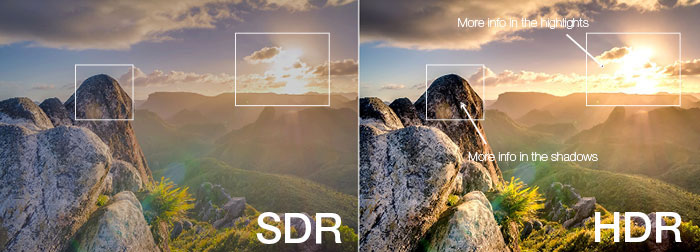
HDR (High Dynamic Range) improves contrast and color gamut of small-pitch LED displays. It supports higher peak brightness (1000-4000 ニット) and deeper black levels. This technology reproduces more realistic light and shadow details. It perfectly matches the high resolution of small-pitch LEDs.
2. Core Advantages of HDR on Small-Pitch LED Displays
初め, HDR boosts contrast to over 10000:1, showing clear dark and bright details. Second, it expands color gamut to 120% NTSC for vivid, real colors. Third, it enhances grayscale transition, avoiding color distortion. These advantages elevate the viewing experience greatly.
3. Key Challenges in HDR Application
High-density LED beads bring hardware pressure to HDR application. Narrow pixel spacing increases heat and signal crosstalk risks. さらに, HDR requires high-bandwidth signal transmission. It also needs precise calibration to ensure brightness consistency.
4. Practical Application Scenarios
HDR-equipped small-pitch LEDs are ideal for command centers and broadcast studios. They work well in high-end retail and medical imaging too. In virtual production, they deliver realistic backgrounds. These scenarios benefit from HDR’s clear details and vivid colors.
5. Future Development Trends
Future HDR will integrate with AI for intelligent brightness adjustment. It will combine with COB packaging to reduce costs. Higher grayscale (18bit) and wider color gamut will be achieved. This will expand small-pitch LED’s application scope further.