
デジタル表示の時代に, LED スクリーンは企業やイベント主催者にとって不可欠です. しかし, many face the dilemma of renting vs. buying. As an LED expert, this blog breaks down 6 core factors to help you decide wisely.
1. Evaluate Your Usage Frequency: The Fundamental Criterion for Decision-Making
Clarifying usage frequency is key to cost-effectiveness.
Rent if you use it occasionally (less than 30 days a year): annual conferences, one-time exhibitions, or short-term events. This avoids long-term idle equipment costs.
Buy if you use it regularly (more than 6 months a year): shopping mall billboards, hotel lobbies, or stadium scoreboards. Long-term users will find buying cheaper than renting after 1-2 年.
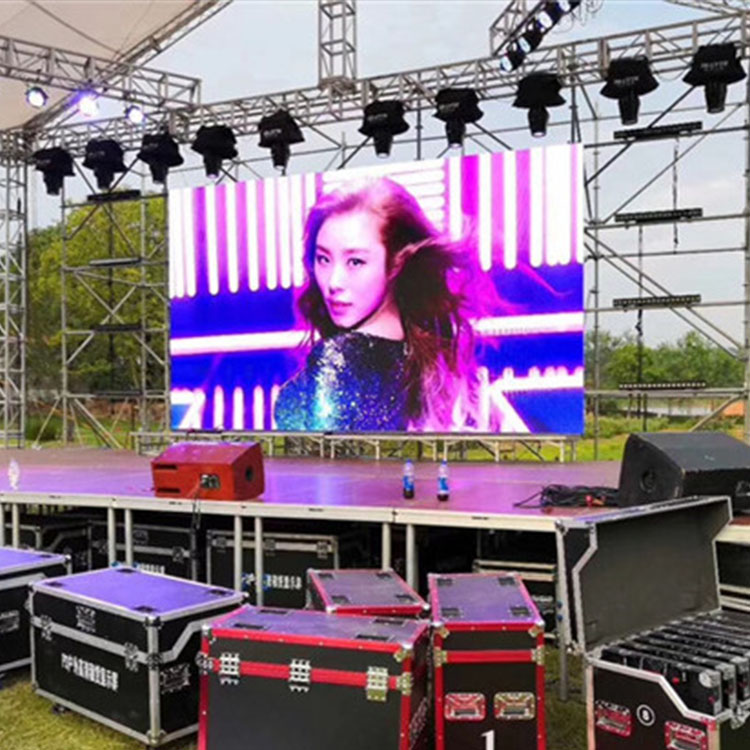
2. Calculate Total Cost of Ownership: Don’t Be Misled by Initial Investment
Focus on total cost of ownership (TCO), not just initial costs.
レンタルなら初期投資が安い: 使用ごとの料金のみを支払います, 輸送を含む, インストール, and maintenance (いつもの $4.5-$12 1平方メートルあたり、1日あたり).
購入には一度に多額の投資が必要: 画面, インストール, 制御システム, プラス年次メンテナンス (5%-10% 設備価格の). LEDスクリーンは減価償却します 65% インチ 3 技術のアップグレードによる年数.
3. 技術的なアップグレードを検討する: 陳腐化のリスクを回避する
LED技術は急速に進化しています (COB, マイクロLED, フレキシブルスクリーン), 陳腐化リスクをもたらす.
購入すると固定スペックの罠に陥る 5-8 年; アップグレードにはさらに多額の投資が必要です.
レンタルなら用途に合わせて最新機器を選べる, 反復コストなしで最先端のテクノロジーにアクセスできるため、イベントの計画やライブブロードキャストに最適です.
4. ストレージとメンテナンスの能力を評価する: 運用負担の軽減
LED スクリーンを長持ちさせるには、適切な保管と定期的なメンテナンスが必要です.
購入には乾燥が必要です, 温度管理された保管スペースと専門的なメンテナンス (清掃, ランプビーズの修理).
レンタルはすべてのストレージをシフトします, メンテナンス, レンタル会社に修理を依頼することで時間を節約できます, 労働, そして宇宙, 中小企業や個人に最適.
5. 柔軟性の要件を分析する: 多様なシナリオに適応する
さまざまな画面ニーズに対応できる柔軟性が重要 (サイズ, 形, スペック).
レンタルは高い柔軟性を提供します: サイズを選ぶ, 解決, イベントごとの設置方法と, イベントスケールでリアルタイムに調整.
購入は厳格です: インストールされたら, サイズや形の調整が難しい, 変化するシナリオには不向きになる (例えば, イベント企画会社).
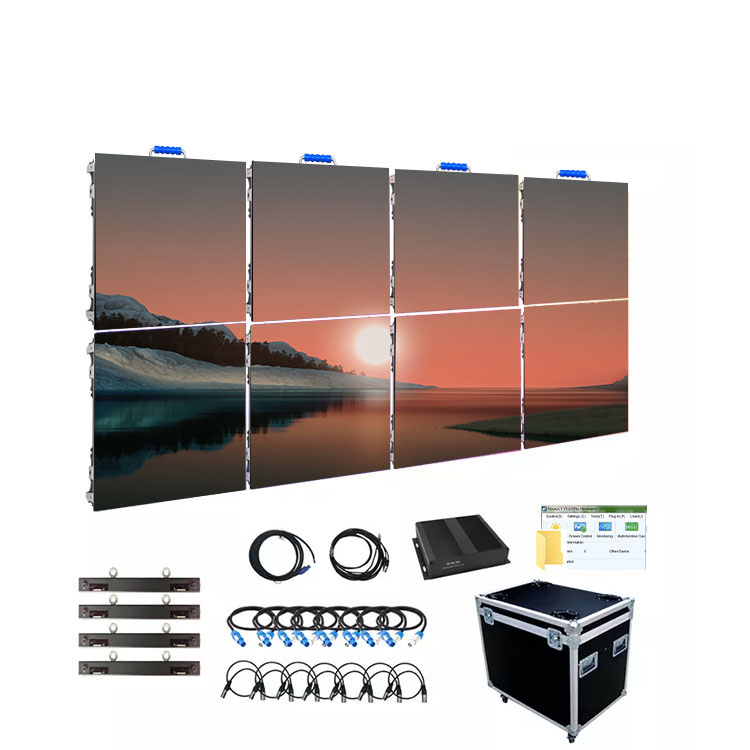
6. 長期的な戦略的価値を評価する: 基本的な使用ニーズを超えて
LED スクリーンは長期的なブランド構築と戦略をサポートできます.
長期的なブランド表示が必要な場合は購入してください (モール, ホテル, 本社)—it builds stable brand image and allows customizations for unique effects.
Rent if usage is temporary and unrelated to long-term brand building—it aligns better with short-term strategic needs.
Final Verdict: Choose Based on Your Actual Needs
There’s no “better” option, only the most suitable one.
Rent: short-term, occasional use, limited budget, changing scenarios, no maintenance/storage.
Buy: long-term, regular use, sufficient budget, stable scenarios, long-term strategy.
Calculate TCO and consult professionals if unsure—choose the option that maximizes benefits and minimizes burdens.